


Most small business websites never get found by local customers. They lose traffic because the site is slow, hard to navigate, or buried under competitors with better SEO. Building a small business website that ranks well, loads quickly, and turns visitors into leads takes a clear strategy. This guide covers the core steps you need, with insights from Greensboro web design pros at Triad Web Design Service. Ready to get found and chosen? Book a free 20-minute strategy call or request a no-pressure quote. We’ll review your site, local SEO, and quick wins. Contact Triad Web Design Service today.
For additional tips on setting up an effective website, you can check out this guide: [https://wpengine.com/blog/small-business-website-tips/].
Planning Your Small Business Website
Starting your website journey with clear goals will set the stage for success. Let’s dive into what you need to consider before building.
Identifying Core Goals
What do you want your website to achieve? This is the first question you need to answer. Some businesses focus on local traffic, while others aim to boost online sales. Outline your main objectives and how they connect to your business goals. You might want to increase brand awareness or generate more leads. Define these goals clearly: they will guide your decisions on design and content.
Choosing the Right Platform
Selecting the right platform is crucial. Many small businesses opt for WordPress due to its flexibility and ease of use. Consider your technical skills and the features you need. Platforms like Shopify or Squarespace can be good choices if you’re looking for specific functionalities like e-commerce. Make sure the platform you pick can grow with you. It’s all about finding the best fit for your needs and capabilities.
Understanding Your Audience
Understanding your audience is key for designing a website that speaks to them. Consider their needs, preferences, and how they interact online. Are they primarily mobile users, or do they shop more on desktops? Knowing this can help tailor your design and content to meet their expectations. Engaging your audience effectively increases the likelihood they’ll choose your business over competitors.
Designing for Local Visibility

Once you have a plan, making your small business website visible to local customers is the next step. Let’s explore how to optimize for local search.
Local SEO Greensboro Tips
Enhancing local visibility requires targeted strategies. Start by optimizing your website content with local keywords like “Greensboro web design” or “Triad Web Design Service.” Ensure your business name, address, and phone number are consistent across all platforms. Claim and update your Google Business Profile to boost your presence in local search results. Local backlinks from reputable sites can also enhance your site’s authority.
Building a Mobile-Friendly Website
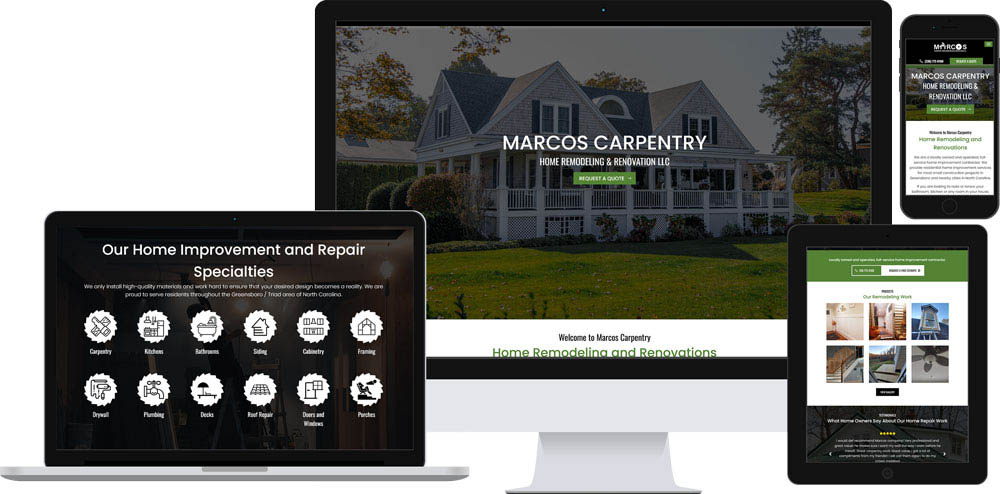
A mobile-friendly website is essential in today’s world. Many users access websites from their smartphones, making it vital for your site to work smoothly on smaller screens. Use responsive design techniques, ensuring that images and text adjust to fit any device. Test your site on various devices to check its functionality. A mobile-friendly site keeps visitors engaged, reducing bounce rates and increasing conversions.
Google Business Profile Optimization
An optimized Google Business Profile can drive more local traffic to your website. Ensure that your business information is complete and accurate. Upload high-quality images and regularly update your profile with posts or promotions. Encourage satisfied customers to leave reviews. These actions enhance your visibility and credibility, making it easier for local clients to discover your services.
Optimizing for Conversion and Speed
Design and visibility are crucial, but they must lead to action. Let’s talk about optimizing for conversions and speed.
Conversion-Focused Web Design
Design your website to guide visitors smoothly toward taking action. Clear calls-to-action (CTAs), like “Contact Us” or “Request a Quote,” should be prominent on every page. Simplify navigation to help users find information quickly. Use testimonials or case studies to build trust. Every element on your site should encourage visitors to engage and become customers.
Page Speed Optimization Techniques
Slow websites frustrate users and can lead to lost business. Optimize your images, minimize code, and leverage browser caching to improve load times. Consider using a content delivery network (CDN) to speed up content delivery. Tools like Google PageSpeed Insights can help identify areas for improvement. Faster websites keep users happy and improve your search engine rankings.
Importance of Schema Markup SEO
Schema markup is a powerful SEO tool that helps search engines understand your site content better. It enhances how your website appears in search results. By using schema, you can provide detailed information about your business, such as location, services, and reviews. This can lead to better visibility and click-through rates, especially in local search results.
Frequently Asked Questions
What is the best platform to build a small business website?
The best platform depends on your specific needs. WordPress is popular for its flexibility, while Shopify is great for e-commerce. Consider your technical skills and business goals when choosing a platform.
How can I improve my local SEO?
Improve local SEO by using local keywords, updating your Google Business Profile, and ensuring your business information is consistent across all online platforms. Local backlinks also enhance your site’s authority.
Why is mobile-friendliness important for my website?
Mobile-friendliness ensures that your site functions well on smartphones, where many users browse. It reduces bounce rates and helps keep users engaged, crucial for conversions.
How can I speed up my website?
Speed up your website by optimizing images, minimizing code, and using browser caching. A content delivery network (CDN) can also improve load times by delivering content more efficiently.
What is schema markup, and why is it important?
Schema markup is code that helps search engines understand your content better. It enhances your site’s appearance in search results, improving visibility and click-through rates.


